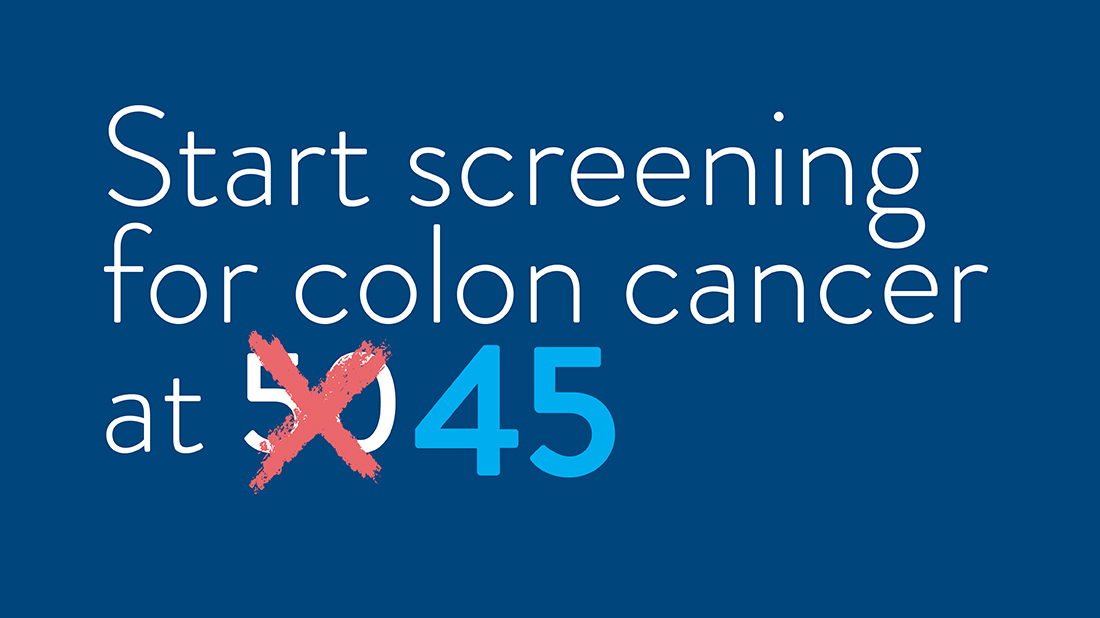
Why Colon Cancer Screening Now Starts at Age 45
Colorectal cancer, which includes cancer of the colon and rectum, is affecting younger adults more than ever. According to the American Cancer Society, colorectal cancer is now the leading cause of cancer death in people under 50 in the United States. This is a major shift and one that highlights the importance of early screening.Because of this rise in younger patients, experts now recommend that people at average risk begin regular colon cancer screening at age 45, instead of waiting until age 50. Screening saves lives by finding cancer early, when it’s easier to treat — or by preventing cancer altogether.
Why a Colonoscopy Is the Gold Standard
There are several ways to screen for colon cancer, including at-home stool tests. These tests can be helpful for some people, but they only look for signs of cancer that may already be present. Potentially dangerous false negatives and stressful false positives are something to consider when considering an at-home test.
A colonoscopy is considered the gold standard for colon cancer screening because it does more than detect cancer — it can prevent cancer. During a colonoscopy, your doctor can find and remove precancerous polyps before they have a chance to turn into cancer.
Some People May Need Screening Even Earlier
You may need to start screening before age 45 if you have:
- A family history of colon cancer or certain polyps
- Inflammatory bowel disease, such as Crohn’s disease or ulcerative colitis
- Certain inherited genetic conditions
- Symptoms like blood in the stool, ongoing changes in bowel habits, abdominal pain, or unexplained weight loss
Your doctor can help determine the right screening plan for you.
Some Good News
The good news is that most insurance plans now cover screening colonoscopies starting at age 45. Coverage can vary, so patients should always confirm their specific benefits with their insurance provider before scheduling a procedure.
Colon cancer is highly preventable and treatable when found early. If you’re 45 or older or have risk factors, now is the time to talk with your doctor about screening for colorectal cancer.