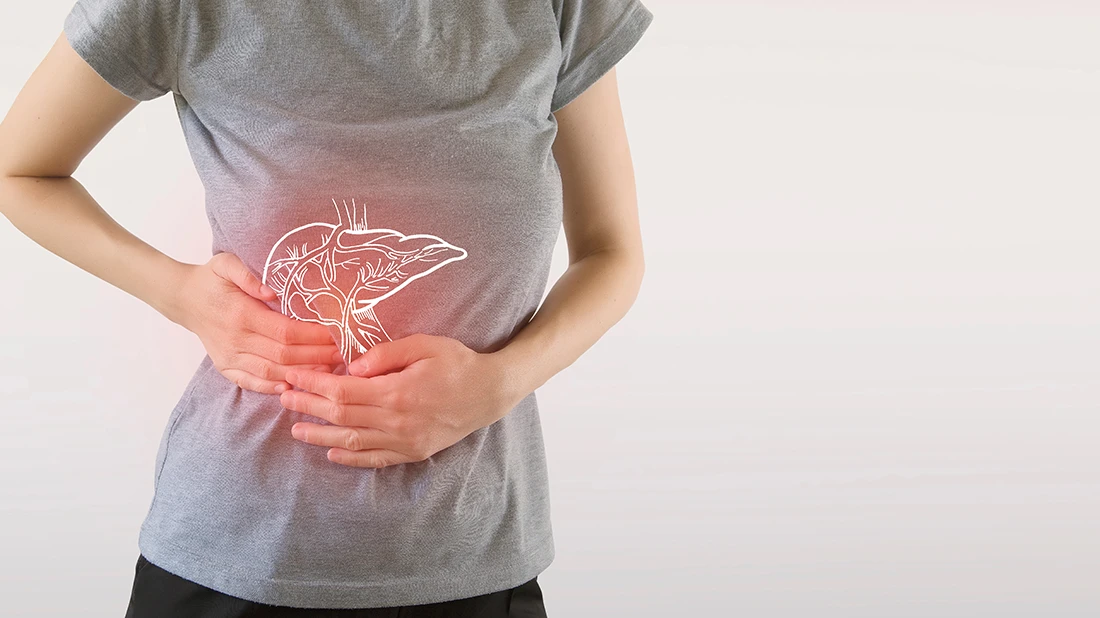
Why Liver Health Matters
Your liver is one of the hardest-working organs in your body. Located in the upper right side of your abdomen, the liver is about the size of a football and performs hundreds of important jobs that help keep you healthy.
What Does Your Liver Do?
Think of your liver as your body's processing and filtering center. It helps remove harmful substances from your blood, processes nutrients from the food you eat, and produces bile to help digest fats. It also stores energy and vitamins, helps regulate blood sugar and cholesterol levels, and makes the proteins your body needs for blood clotting and other essential functions.
Because the liver does so much, keeping it healthy is an important part of your overall health.
What Can Harm Your Liver?
Liver damage can develop for many reasons. Common causes include fatty liver disease, heavy alcohol use, viral hepatitis, certain medications and supplements, and autoimmune or inherited conditions. Some liver diseases can progress for years without causing noticeable symptoms, which is why routine medical care and blood tests can be important.
You can help protect your liver by maintaining a healthy weight, exercising regularly, eating a balanced diet, limiting alcohol, and taking medications only as directed. Vaccination against hepatitis A and B may also be recommended for some people.
Know the Warning Signs
In its early stages, liver disease may cause few or no symptoms. As liver function becomes more seriously impaired, symptoms may include:
- Yellowing of the skin or eyes, known as jaundice
- Swelling in the abdomen, legs, or ankles
- Dark urine or pale-colored stools
- Nausea or loss of appetite
- Unusual fatigue or weakness
- Easy bruising or bleeding
- Persistent itching
- Confusion, difficulty concentrating, or unusual sleepiness
These symptoms don't always mean you have liver failure, but they should not be ignored. Severe or rapidly developing symptoms require prompt medical attention.
Give Your Liver the Attention It Deserves
You don't have to wait until you have symptoms to think about liver health. Regular checkups can help identify risk factors or signs of liver disease before serious damage occurs.
If you have concerns about your liver, abnormal liver test results, or symptoms that could be related to liver disease, talk with your doctor.
Have questions about liver health?
Schedule an AppointmentPatient Care Articles
Colon Cancer Screening Guidelines: 45 Not 50
Colorectal cancer, which includes cancer of the colon and rectum, is affecting younger adults more than ever. According to the American Cancer Society, colorectal cancer is now the leading cause of cancer death in people under 50 in the United States.
Read ArticleColon Cancer FAQs
There is a lot of information – and misinformation – about colon cancer and colon cancer screening. Check out these answers to some Frequently Asked Questions (FAQs).
Read ArticleThe Cost of Convenience
When it comes to screening for colon cancer, you have a few options, and convenience can be tempting. At-home stool tests like Cologuard® let you collect a sample at home and mail it in for testing. Sounds easy, right?
Read Article